Trainees around the world: Verena’s assignment in Abu Dhabi.
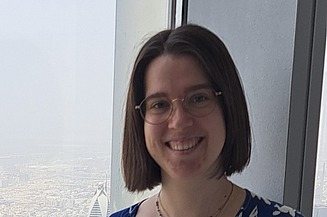
Why did you choose the trainee programme at ZÜBLIN?
My journey into the field of façades began back in 2018 with an apprenticeship as a technical systems planner specialising in steel and metal construction. Thanks to my keen interest in façade construction and the digitalisation of the construction industry, I joined the BIM team at ZT-Fassade whilst studying civil engineering. During this time, I became convinced that I would like to join the ZT-Façade team in the field of BIM development after completing my degree.
When a trainee programme was advertised for precisely this period, I saw it as the ideal opportunity to further expand my specialist knowledge whilst gaining an insight into various areas of work. I found the chance to deepen my understanding of my interests in façades and BIM from different perspectives, whilst developing both professionally and personally, particularly appealing.
What made the biggest impression on you during your trainee programme?
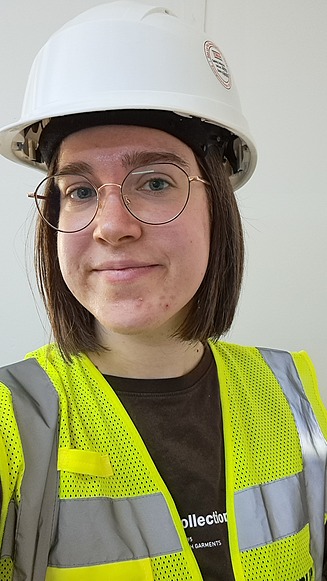
My time working on building sites has definitely had a particularly big impact on me. There, I worked in close collaboration with many different people – from subcontractors and in-house planning staff right through to site managers. A construction site is a very dynamic environment, characterised by close coordination, spontaneous clarifications and, at times, challenging deadlines. It was precisely these situations that taught me to take responsibility, act flexibly and keep a clear head even under pressure.
At the same time, I learnt just how important team spirit is. Alongside the demanding aspects of site management, there were plenty of positive moments too: shared lunch breaks, lots of funny situations in our day-to-day work and various after-work activities strengthened the team spirit and made our collaboration special.
Overall, all of this has helped me to surpass my own expectations.
How was your trainee programme structured?
After holding several internal roles in various departments, I gained my first on-site experience on the ‘EDGE Friedrichspark’ project in Berlin. Alongside traditional tasks such as invoice verification and subcontractor management, I was specifically responsible for implementing BIM in the form of component tracking. I gained further insights in the Connected Services department – which focuses on sustainable construction and BIM management – as well as in Central Procurement and Project Support within Technical Services.
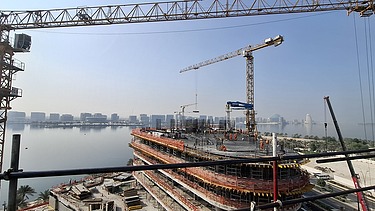
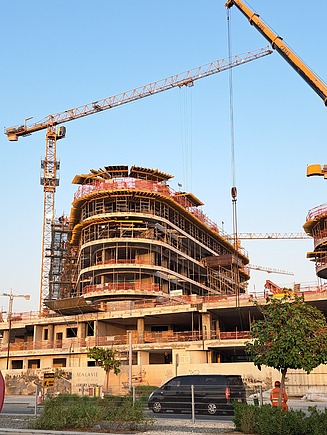
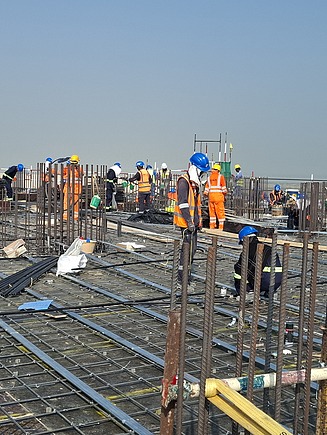
The highlight of my trainee programme was the opportunity to work on a construction site in the Middle East. From August to October 2025, I was able to support the ‘Sea La Vie’ project on Yas Island in Abu Dhabi – a premium residential development right on the waterfront and next to the famous Formula 1 Yas Marina Circuit.
To what extent did your actual trainee duties differ from those during your assignment abroad?
During my placements in Germany, my focus was primarily on supporting the respective specialist departments. My direct contact with project activities on site or with the subcontractors carrying out the work was rather limited.
On the international construction site assignment, however, my remit expanded significantly. I was able to work much more independently and took responsibility for a specific type of façade, which I had to coordinate and manage on my own. As a result, I was much more closely involved in project management and sometimes had to make decisions on my own initiative. Furthermore, there was a much greater focus on coordination tasks whilst working abroad. I acted as a link between various project stakeholders and was involved in numerous coordination and clarification processes. This also included overarching tasks such as drawing up cost forecasts or component trackers.
What were the distinctive features of the “Sea La Vie” project?
In addition to the technical requirements, the on-site conditions also posed a particular challenge: around 1,600 people from some 25 different countries were working together on the construction site. Communication took place predominantly in English, with some Arabic influence. Furthermore, at the start of my assignment, temperatures reached up to 50°C, meaning that work on the site mainly took place at night until mid-September.
-
 Verena Wiedemann
 -
 Verena Wiedemann
What memory from your time in Abu Dhabi has stayed with you the most?
What I remember most is the open and helpful nature of my colleagues there. The team was very international – people from a wide variety of countries worked together on a project and all pulled in the same direction. Right from the start, I was given a warm welcome, involved in tasks and supported at all times whenever I had questions or faced challenges.
I was also impressed by the genuine spirit of collaboration within the team and the clear separation between work and private life. Despite differing opinions or professional discussions during working hours, there was always a friendly and respectful atmosphere after work. It was the norm to play sport together, meet up or spend our free time with one another.
What were your highlights away from the building site?
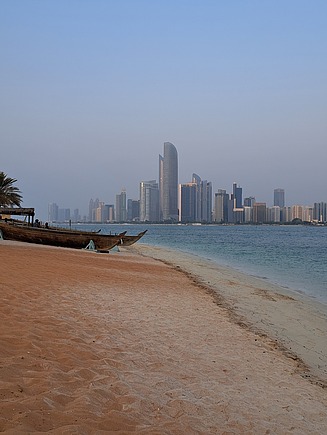
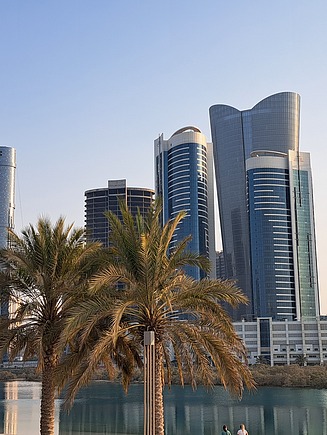
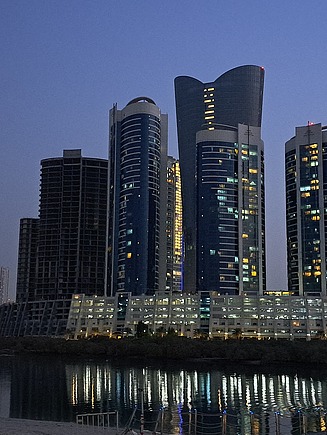
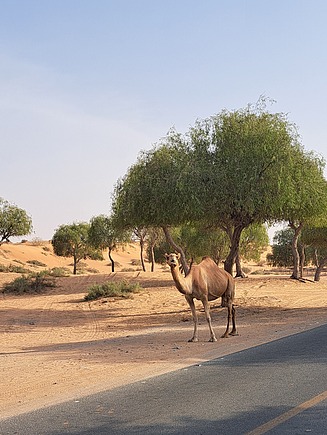
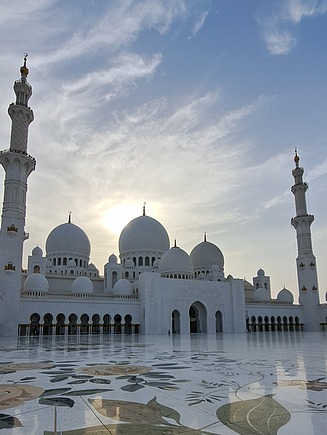
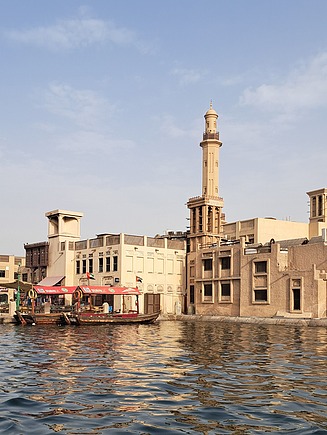
Even when I wasn’t working, I still had time to explore the region – the Sheikh Zayed Mosque in Abu Dhabi, the Burj Khalifa in Dubai, ‘Old Dubai’ with its traditional markets, and the mountainous landscapes on the east coast on a road trip. Particularly unforgettable was spending the night in the desert gazing up at the starry sky, surrounded by sand dunes and camels.
-
 Verena Wiedemann
 -
 Verena Wiedemann
 -
 Verena Wiedemann
 -
 Verena Wiedemann
 -
 Verena Wiedemann
 -
 Verena Wiedemann
What are you currently working on and what’s next for you?
I’ve been working in the BIM Development department at ZT-Fassade since January 2026. In my current role, I’m primarily responsible for creating models and families for the element façade of a design project, working closely with our design team. I’m also the point of contact for digitalisation at ZT-Fassade. As well as providing IT support to my colleagues, I’m also a citizen developer and take care of implementing various automation ideas.
Looking ahead, I’d like to further deepen my knowledge in the fields of BIM and digitalisation. I’m looking forward to utilising new technologies, refining processes and creating innovative solutions for future projects.
What does ‘Work On Progress’ mean to you?
To me, ‘Work On Progress’ means not only driving forward my own professional and personal development, but also actively contributing to the development of my department. At the same time, it involves taking on challenges and learning from them. Progress isn’t just evident in straightforward and successful phases, but above all when you overcome difficult situations and emerge from them stronger, with newly gained perspectives.
Thank you, Verena, for the interview, and I wish you every success in the future – both personally and professionally!
Do you want to develop both professionally and personally whilst gaining international experience?
So apply now and start your technical or commercial trainee programme!
All about our trainee programme